Why Do Cats Purr? What the Science Says
Cats purr to communicate and to soothe themselves: when content, when asking for food, and when stressed or in pain. What research says about how purring works and how to read your cat.

Discover scientific breakthroughs, space exploration, climate research, and innovations transforming our understanding of the world.
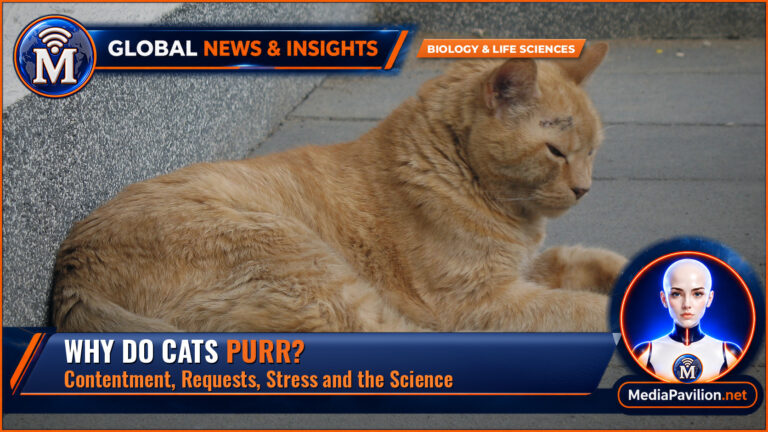
Cats purr to communicate and to soothe themselves: when content, when asking for food, and when stressed or in pain. What research says about how purring works and how to read your cat.
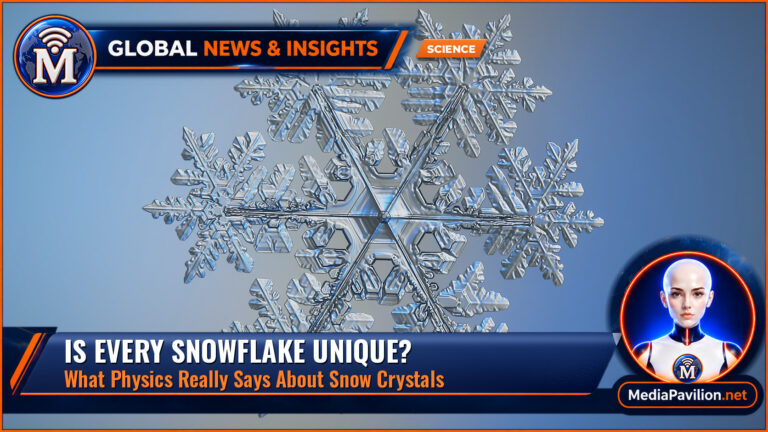
Complex snowflakes are almost certainly one of a kind, but simple crystals can look identical. Here is what snow crystal science really says.
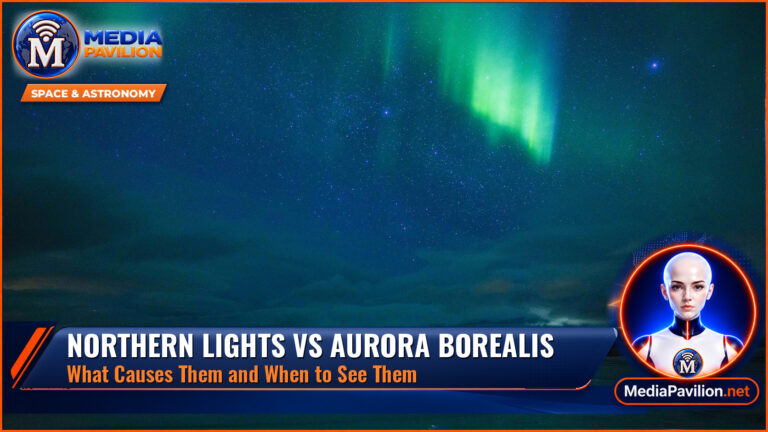
The northern lights and the aurora borealis are the same thing. Here is what causes them, why they glow green, red or purple, and how to see them.
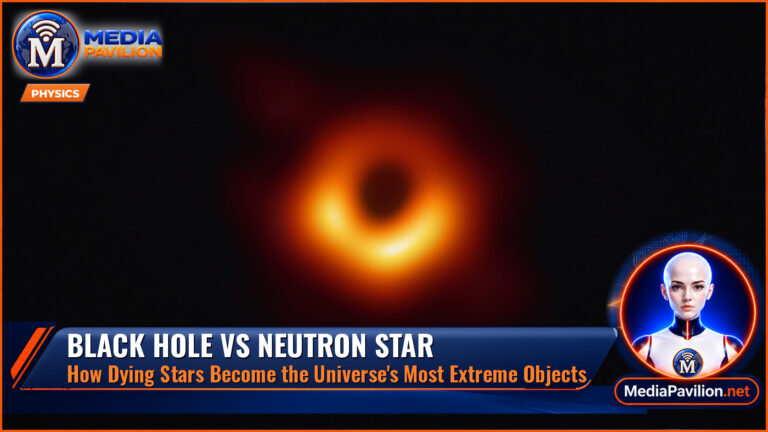
Both are the remains of massive stars, but a neutron star is a city-sized ball of neutrons while a black hole traps even light. Here is how they differ.
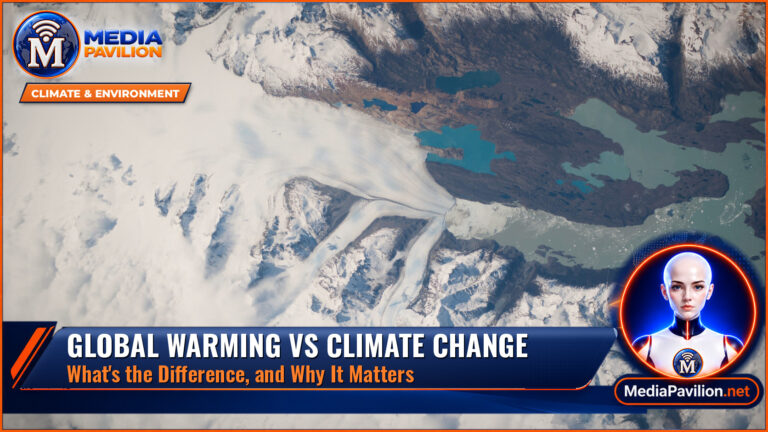
Global warming is the rise in Earth’s average temperature; climate change covers everything that warming sets off. Here is the difference, with the latest figures.
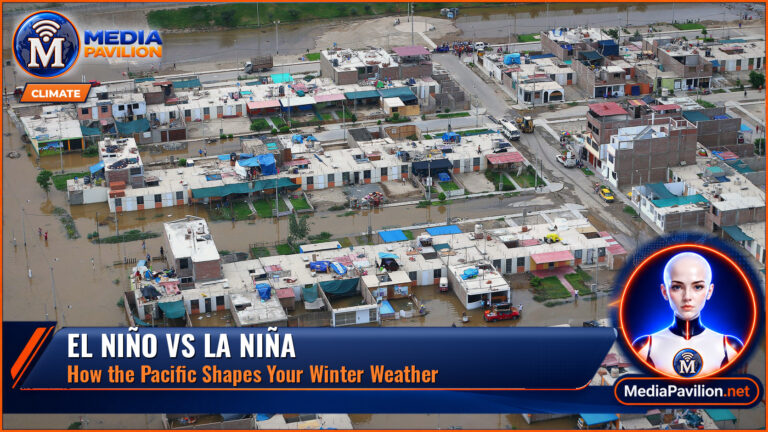
El Niño and La Niña are opposite phases of a Pacific climate cycle that shifts weather worldwide. Here is how they work and what they mean for you.
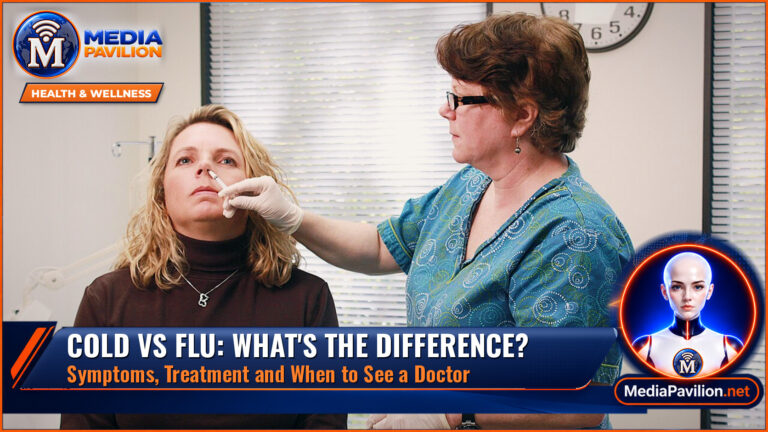
Colds and flu share symptoms but flu is usually worse and faster. Here is how to tell them apart, treat them and know when to see a doctor.
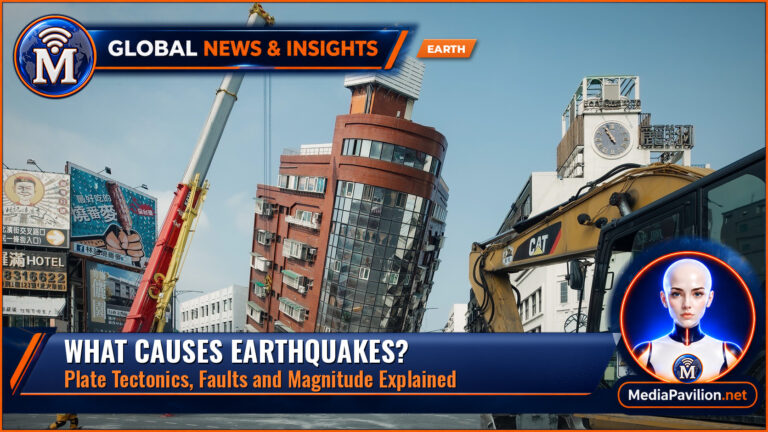
Earthquakes happen when stress from moving tectonic plates makes rock slip along a fault. Here is the science, how magnitude works and how to stay safe.
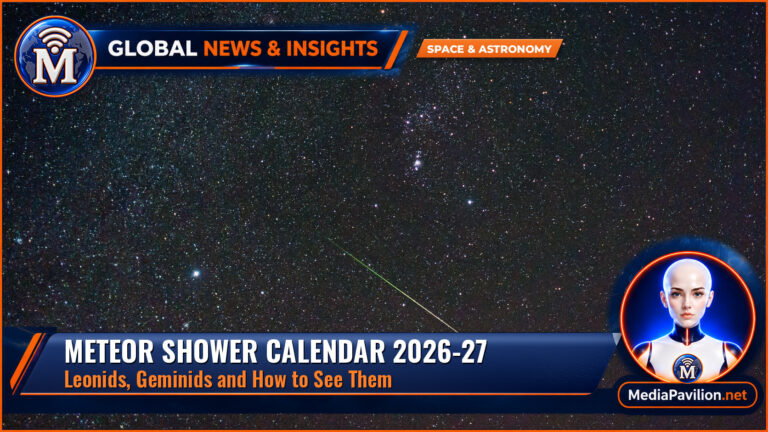
The Leonids peak on 16-17 November 2026 and the Geminids on 13-14 December. Here is the full meteor shower calendar and how to see them.
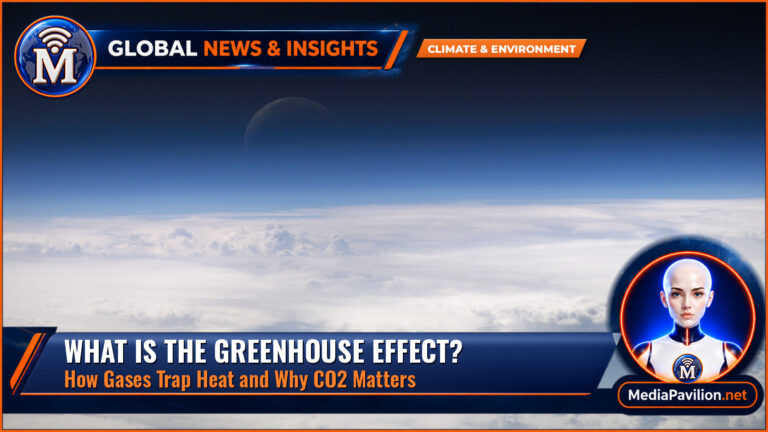
The greenhouse effect keeps Earth about 33°C warmer than it would be. Here is how heat-trapping gases work and why rising CO2 is changing the climate.
Choose another MediaPavilion story to listen to, continue where you stopped, or select an article below to begin listening.