SCIENCE
Discoveries
That Expand
Our World
Explore scientific
discoveries, research
and new frontiers.
Featured Pages
Scholarships, admissions and research funding opportunities checked against official sources, plus jobs and more.
Latest Science Publications
Stay informed with the newest scientific discoveries and research updates.
Latest News
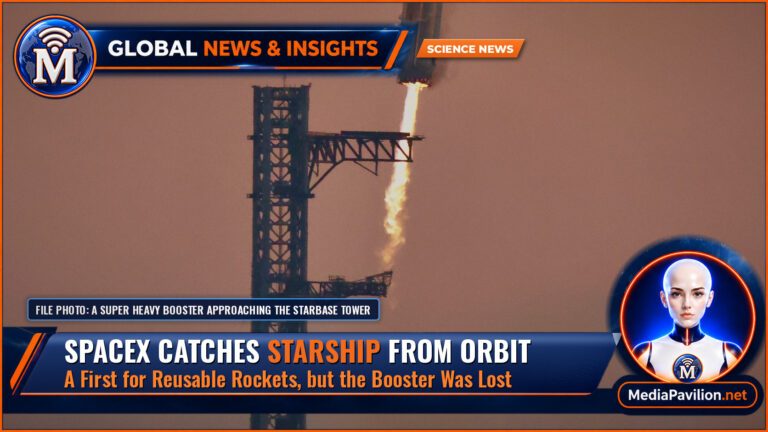
SpaceX Catches Starship: What the First Ship Catch Means
SpaceX caught the upper stage of Starship with its launch tower’s arms on Saturday, the first catch of a ship returning from orbit. The Super Heavy booster was lost over the Gulf.
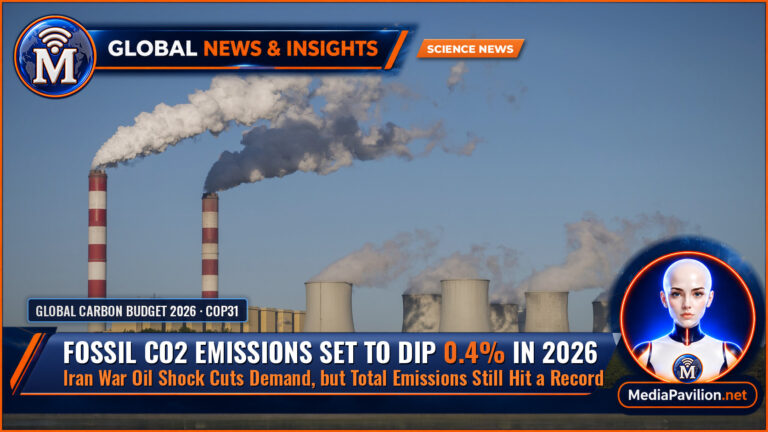
Global Carbon Budget 2026: Fossil Emissions Dip 0.4%
Fossil-fuel CO2 emissions are projected to fall about 0.4% in 2026 as the Iran war’s oil shock cut demand, the Global Carbon Budget says, but coal is still rising and total emissions will hit a record 43.3bn tonnes.
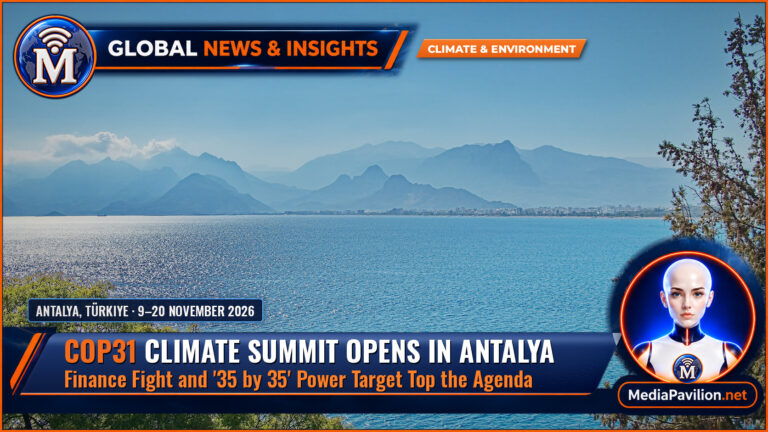
COP31 Opens in Antalya: What’s at Stake at the 2026 UN Climate Summit
The COP31 UN climate summit opened in Antalya, Türkiye, with Australia leading negotiations. Climate finance, a ’35 by 35′ electricity target and the energy shock from the Iran war top the agenda.
One-Dose CRISPR Treatment Cuts Cholesterol for Years in Animal Study
A single infusion of a CRISPR base editor switched off the cholesterol gene ANGPTL3 in monkeys for at least three years, a Nature study found, as a first human trial gets under way.
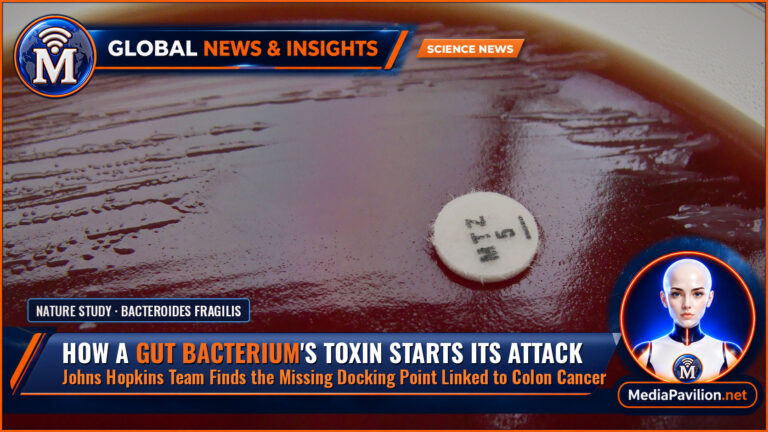
Gut Bacterium Toxin Uses Claudin-4 to Attack Colon Cells, Study Finds
Johns Hopkins researchers have found that a toxin from the gut bacterium Bacteroides fragilis needs the protein claudin-4 to attack colon cells, and a decoy protein protected mice.
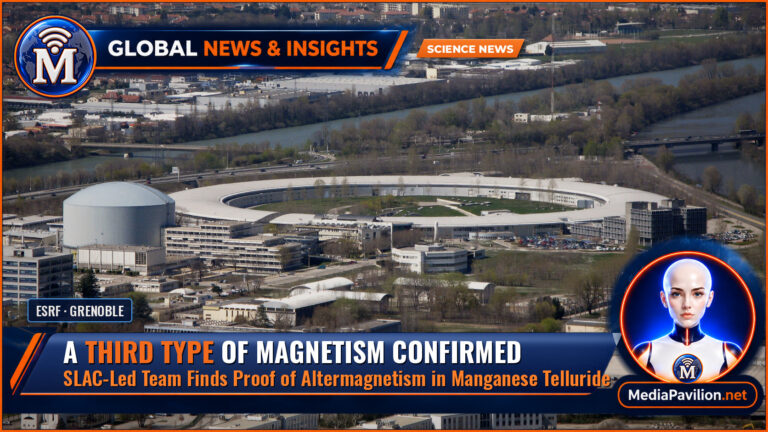
Altermagnetism Confirmed: Scientists Prove a Third Type of Magnetism
A SLAC-led team says it has found conclusive evidence of altermagnetism, a third type of magnetism, which could enable faster and more energy-efficient electronics.
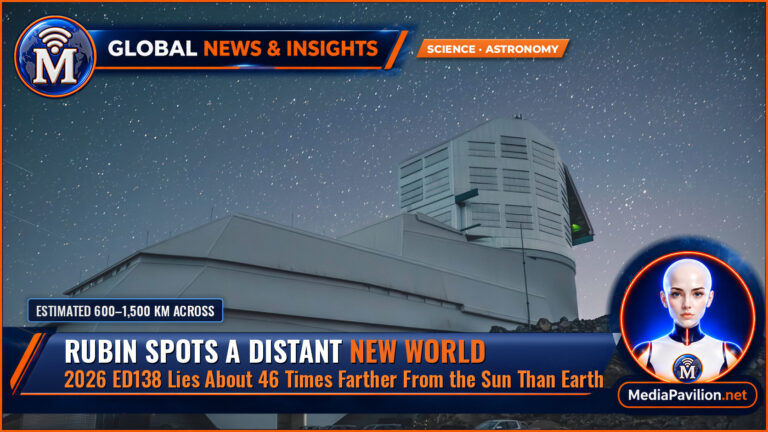
Rubin Observatory Finds 2026 ED138, a Distant Possible Dwarf Planet
Astronomers using the Vera C. Rubin Observatory have identified 2026 ED138, a distant icy body beyond Neptune that could be large enough to count as a dwarf planet.
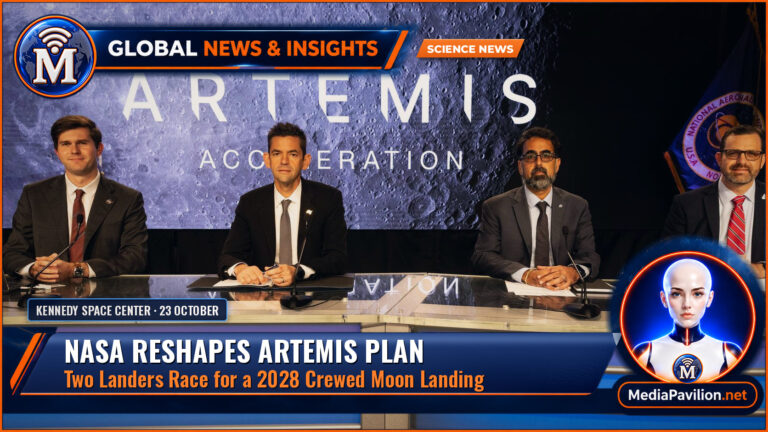
Artemis Moon Landing: NASA Changes Lander Plans for 2028
NASA has revised how SpaceX and Blue Origin’s landers will meet Orion and will pick the first lander based on readiness, as it targets a crewed Moon landing in 2028.
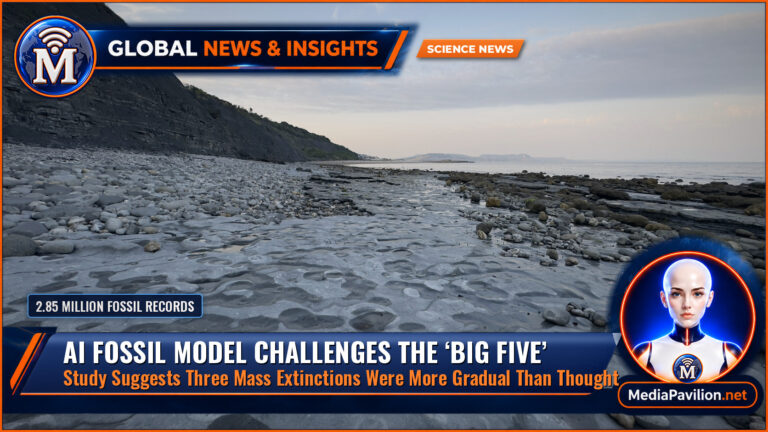
AI Fossil Model Suggests Three of Earth’s Big Five Mass Extinctions Were More Gradual
OneStrata, an AI model trained on millions of fossil records, suggests only two of Earth’s Big Five mass extinctions were sudden global collapses. Scientists are cautious.
- View all science newsLatest News
Latest Articles
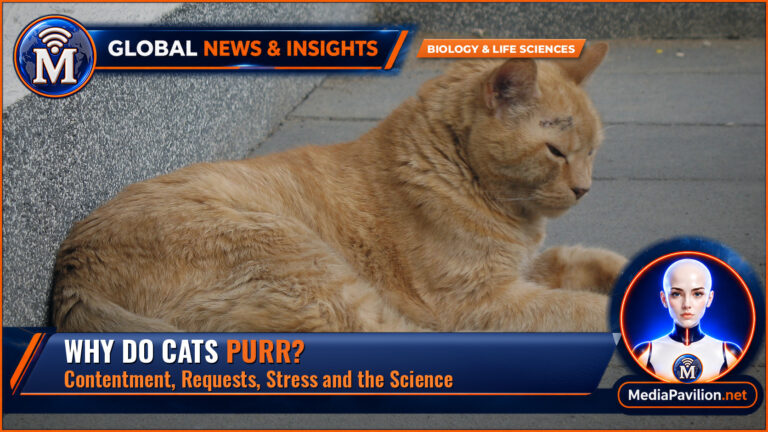
Why Do Cats Purr? What the Science Says
Cats purr to communicate and to soothe themselves: when content, when asking for food, and when stressed or in pain. What research says about how purring works and how to read your cat.
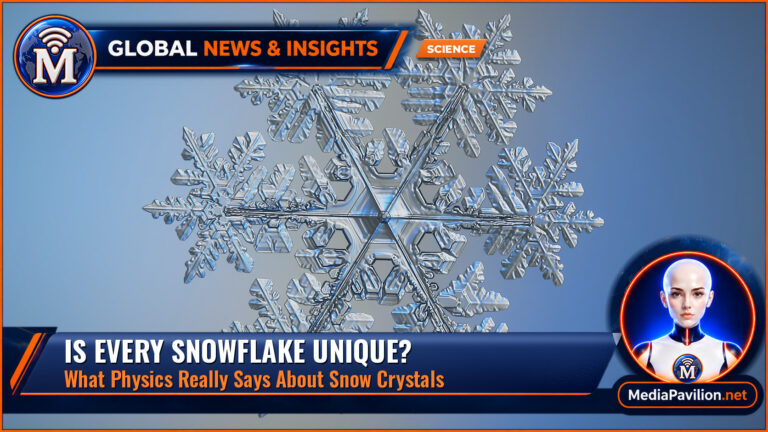
Is Every Snowflake Unique? What Snow Crystal Science Says
Complex snowflakes are almost certainly one of a kind, but simple crystals can look identical. Here is what snow crystal science really says.
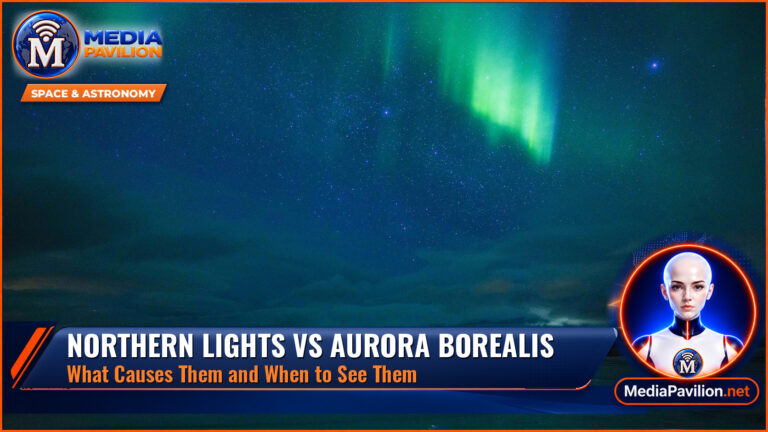
Northern Lights vs Aurora Borealis: Is There a Difference? Causes, Colours and Best Times to See Them
The northern lights and the aurora borealis are the same thing. Here is what causes them, why they glow green, red or purple, and how to see them.
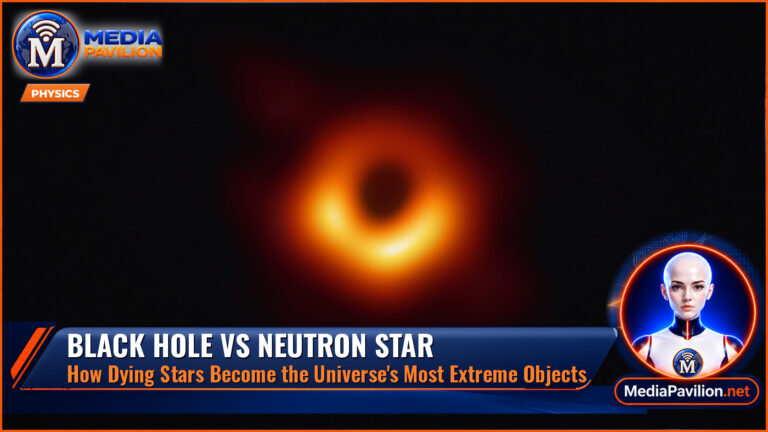
Black Hole vs Neutron Star: What’s the Difference?
Both are the remains of massive stars, but a neutron star is a city-sized ball of neutrons while a black hole traps even light. Here is how they differ.
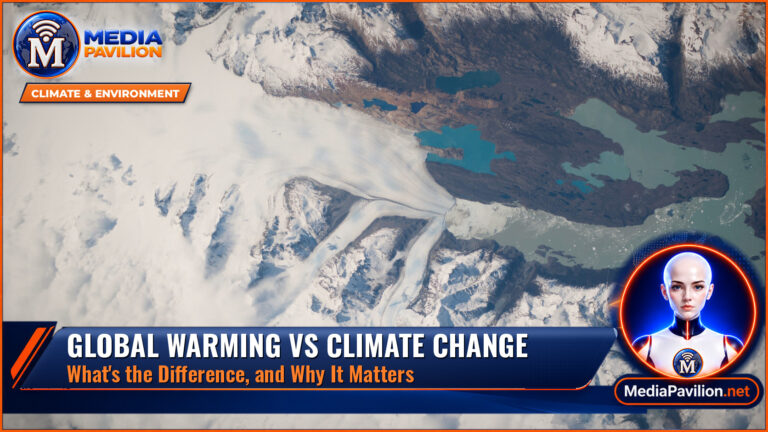
Global Warming vs Climate Change: What’s the Difference?
Global warming is the rise in Earth’s average temperature; climate change covers everything that warming sets off. Here is the difference, with the latest figures.
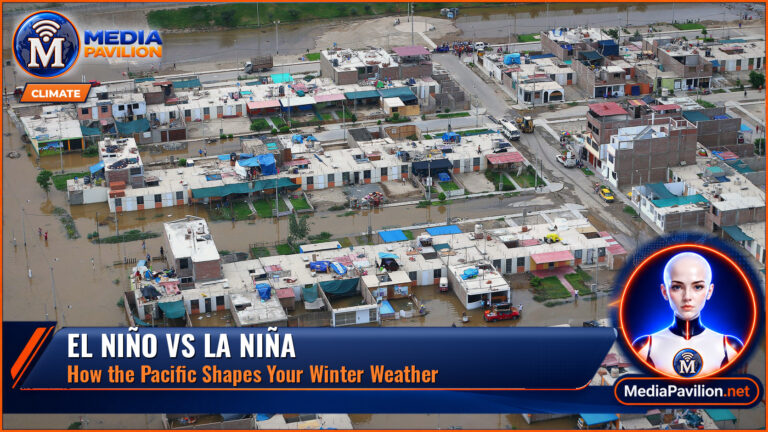
El Niño vs La Niña: What They Are and How They Shape Your Winter Weather
El Niño and La Niña are opposite phases of a Pacific climate cycle that shifts weather worldwide. Here is how they work and what they mean for you.
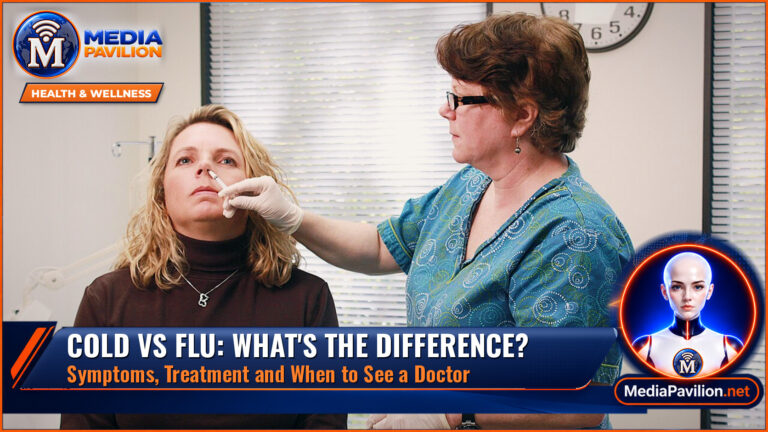
Cold vs Flu: How to Tell the Difference, Treatment and When to See a Doctor
Colds and flu share symptoms but flu is usually worse and faster. Here is how to tell them apart, treat them and know when to see a doctor.
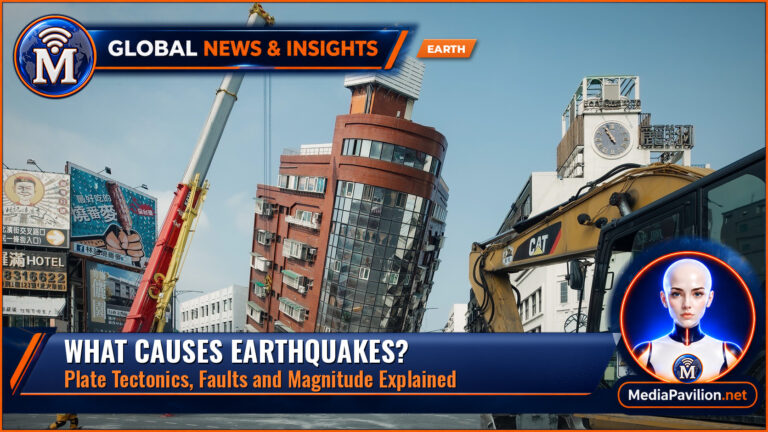
What Causes Earthquakes? Plate Tectonics, Faults and Magnitude Explained
Earthquakes happen when stress from moving tectonic plates makes rock slip along a fault. Here is the science, how magnitude works and how to stay safe.
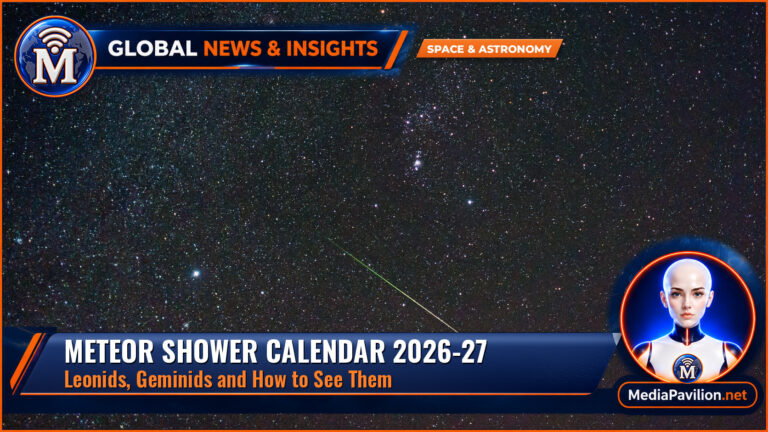
Meteor Shower Calendar 2026-27: Leonids, Geminids and How to See Them
The Leonids peak on 16-17 November 2026 and the Geminids on 13-14 December. Here is the full meteor shower calendar and how to see them.
- View all science articlesLatest Articles
Featured Science Stories
Editor’s picks highlighting groundbreaking scientific discoveries and innovations.
SpaceX Catches Starship: What the First Ship Catch Means
SpaceX caught the upper stage of Starship with its launch tower’s arms on Saturday, the first catch of a ship returning from orbit. The Super Heavy booster was lost over the Gulf.
Global Carbon Budget 2026: Fossil Emissions Dip 0.4%
Fossil-fuel CO2 emissions are projected to fall about 0.4% in 2026 as the Iran war’s oil shock cut demand, the Global Carbon Budget says, but coal is still rising and total emissions will hit a record 43.3bn tonnes.
COP31 Opens in Antalya: What’s at Stake at the 2026 UN Climate Summit
The COP31 UN climate summit opened in Antalya, Türkiye, with Australia leading negotiations. Climate finance, a ’35 by 35′ electricity target and the energy shock from the Iran war top the agenda.
El Niño vs La Niña: What They Are and How They Shape Your Winter Weather
El Niño and La Niña are opposite phases of a Pacific climate cycle that shifts weather worldwide. Here is how they work and what they mean for you.
Rubin Observatory Finds 2026 ED138, a Distant Possible Dwarf Planet
Astronomers using the Vera C. Rubin Observatory have identified 2026 ED138, a distant icy body beyond Neptune that could be large enough to count as a dwarf planet.
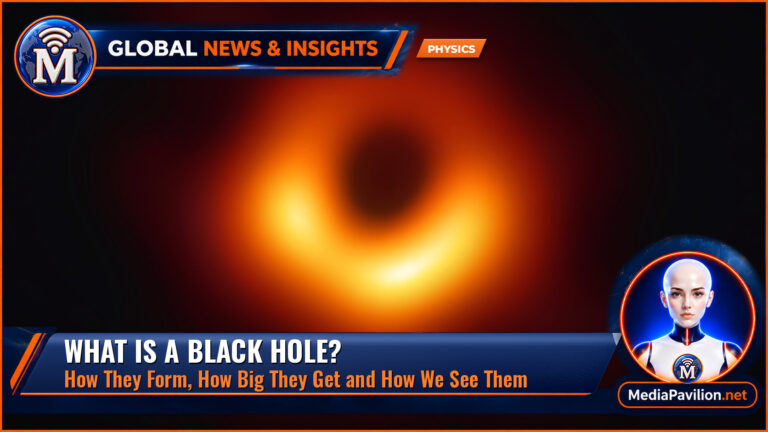
What Is a Black Hole? How They Form, What’s Inside and How We See Them
A black hole is a region where gravity is so strong that nothing, not even light, can escape. Here is how they form, how we see them and why they matter.
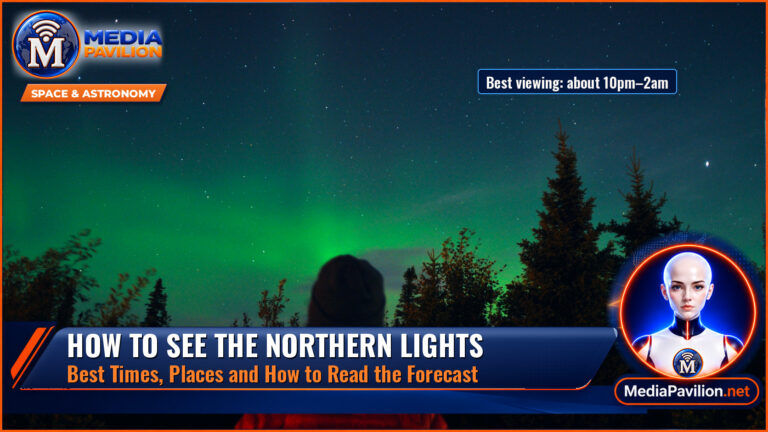
How to See the Northern Lights: Best Times, Places and Forecast Tips
Strong aurora displays remain likely after the 2024 solar maximum. Here is how to read forecasts, where to go and how to photograph the lights.
Artemis Moon Landing: NASA Changes Lander Plans for 2028
NASA has revised how SpaceX and Blue Origin’s landers will meet Orion and will pick the first lander based on readiness, as it targets a crewed Moon landing in 2028.
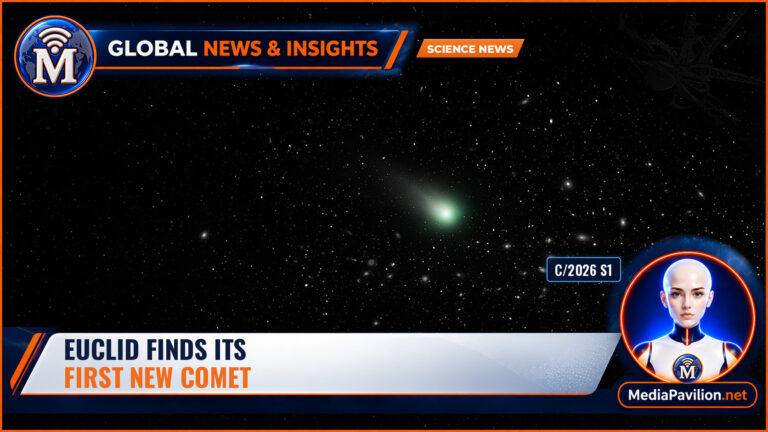
Euclid Comet: ESA Telescope Discovers Its First New Comet, C/2026 S1
ESA’s Euclid telescope has discovered its first new comet, C/2026 S1, arcing high above the planets. Here is how it was found and why it matters.
- View all featuredFeatured stories
Must Watch
Watch the latest Science videos, explainers and site guides.
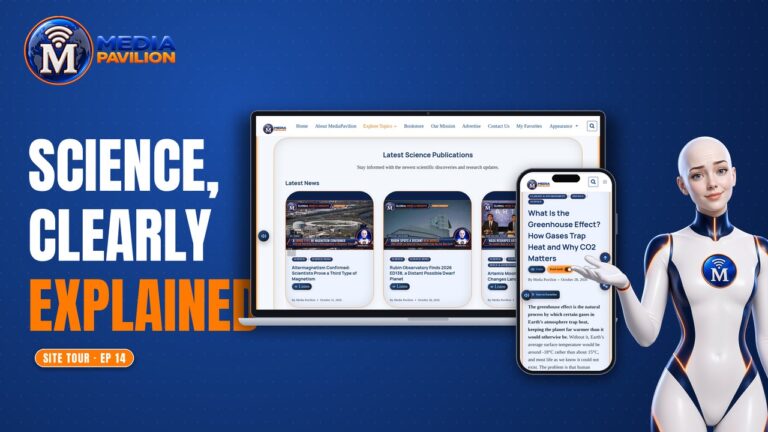
Science, Clearly Explained: Space, Climate & More — Site Tour, Ep 14
Why does CO2 matter? What’s happening in space this month? Science on MediaPavilion explains new discoveries in plain English, from space and climate to…
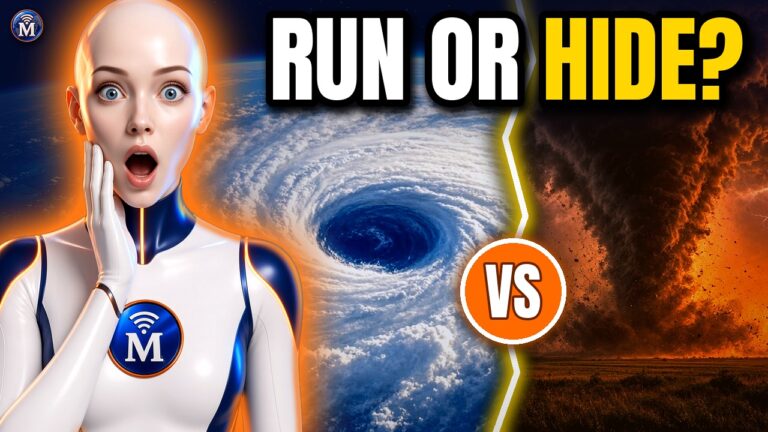
Hurricane vs Tornado: What’s the Difference? (Explained Simply) — Video
Hurricane vs tornado: one can be hundreds of miles wide and last for days, the other is usually less than a mile wide and gone in minutes. Here’s how each…
- See all Science videosLatest stories