
Is Digital Nomad Still a Thing in 2026? What the Data Says
Quick answer: Yes, digital nomadism is still a thing, and it is bigger than ever. MBO Partners’ 2026 State of Independence study (22 October 2026) counts 20.3 million American digital nomads, up 9.7% on 2025 and 183% since 2019, about 12% of the US workforce. What has changed is the style: more employees than freelancers, more visa-backed stays of 6 to 12 months, and fewer people living out of a backpack for years. Only 13% have kept it up for more than five years.
Every few months a viral post declares the digital nomad dream dead: rents are up in Lisbon, Bali is crowded, and companies want people back in the office. Yet the numbers keep climbing. So is “digital nomad” still a thing, or has it simply grown up? Here is what the data says in 2026, who is actually doing it, what is getting harder, and how to decide if it still suits you.
Is Digital Nomad Still a Thing in 2026?
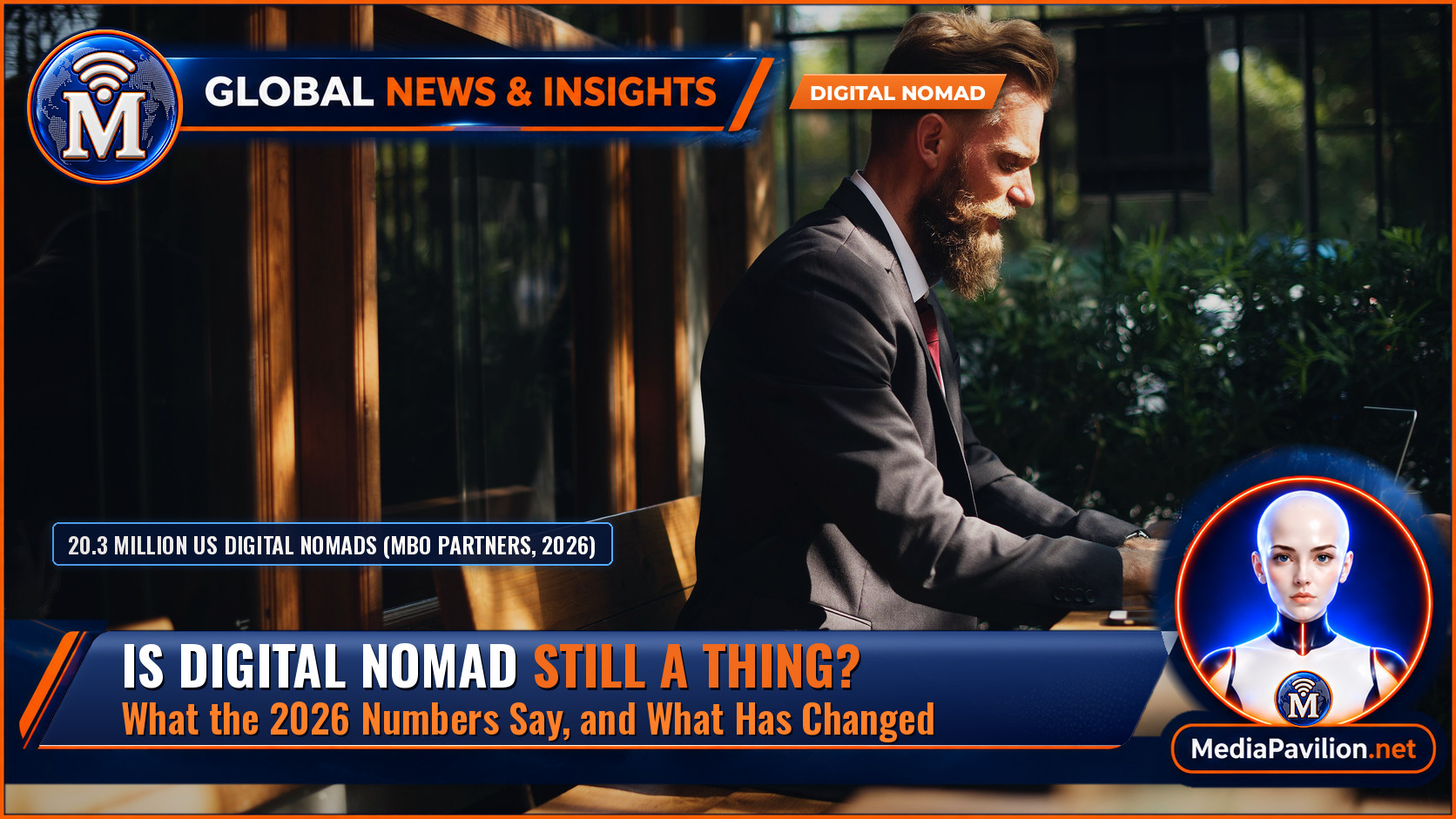
According to MBO Partners, the number of American workers who describe themselves as digital nomads reached 20.3 million in 2026. That is a 9.7% rise on 2025 and a 183% rise since 2019. MBO lists three drivers: remote work becoming normal, Gen Z entering the workforce and employers accepting location-independent staff.
A caveat is worth stating: MBO’s study is a survey-based estimate, and it defines a digital nomad broadly as a worker who chooses a location-independent, technology-enabled lifestyle and travels while working remotely. Many of those 20 million are not backpacking through Southeast Asia; they are people who spend a few months a year working from another city or country.
Who Are Digital Nomads Now?
- Age: the average is 37; Gen Z make up 35% and Millennials 42%, while 9% are aged 55 or older.
- Gender and family: 36% are women, 51% are married and 17% travel with children.
- Jobs: IT, creative services, sales, marketing, finance, research and consulting.
- Satisfaction: 86% report being highly satisfied with their work.
- Staying power: 94% say they may continue for the next two to three years, yet only 13% have sustained it for more than five years, with burnout a common reason.
In other words, the stereotype of a young freelance coder in a hammock is out of date. The typical nomad is a mid-career professional, often employed, treating travel as a long season rather than a permanent identity.
What Has Changed for Digital Nomads?
More countries offer visas
Governments now compete for remote workers. EY’s Global Immigration Index on remote work and digital nomads counted more than 48 jurisdictions with digital nomad or remote-work visas as of early 2026, and trackers now report more than 50. Requirements typically include proof of remote income, health insurance and a clean record. Our guides to the Portugal digital nomad visa and the Spain digital nomad visa show what that looks like in practice.
Employers are watching
MBO reports that 13% of employee nomads say their employer does not know and another 18% have only an informal approval from a manager. That creates tax, employment-law and cybersecurity risk, which is why more companies are writing formal nomad policies or restricting where staff can work. Always check your contract before relocating.
Tax is not optional
US citizens owe federal tax wherever they live. Read our explainer on digital nomad taxes for Americans before you book a one-way ticket. Some countries also treat you as a tax resident after about 183 days.
Cost advantages are shrinking in popular hubs
Popular nomad cities have seen rents and prices rise, so the “live cheaply abroad” argument is weaker in some places. Use our guide to comparing the cost of living to check a destination against home before you commit.
Digital Nomad vs Remote Worker: What Is the Difference?
| Factor | Remote worker | Digital nomad |
|---|---|---|
| Where you live | A fixed home, any location | Changes every few weeks or months |
| Typical visa | Usual residency | Tourist stay or nomad visa |
| Main challenge | Isolation | Logistics, tax, time zones, burnout |
| Good for | Stability and a home life | Flexibility and travel |
Many people sit in between: a “slowmad” spends three to six months in one place. If you are weighing options, our comparison of remote work vs the office helps.
Is Becoming a Digital Nomad Worth It?
It can be, if you treat it like a business or a job and not a holiday. A realistic checklist:
- Secure income first. Most visas ask for proof of earnings, and you need a buffer. Start with a stable remote role or freelance clients. See how to find legitimate remote jobs if you do not have one.
- Choose a base for 3 to 6 months. Fewer moves means less cost and less burnout.
- Check your legal right to work. Tourist stays often do not allow local work; a nomad visa or employer arrangement does.
- Plan insurance and taxes. Get health cover that works abroad and a tax adviser if you spend long periods overseas.
- Test it. Try a one-month trial before selling your home or quitting your job.
Building your safety net first? Our printable Emergency Fund & Budget Planner ($8, A4 and US Letter) helps you track a runway of savings before you leave. It is a MediaPavilion product and is only one way to do it; a simple spreadsheet works too.
What Are the Downsides of Being a Digital Nomad?
- Unreliable internet in some places can cost you clients.
- Time-zone clashes with your team or customers.
- Loneliness and burnout: MBO notes constant travel paired with work is demanding.
- Visa and tax complexity if you overstay or work illegally.
- Healthcare gaps if your cover excludes your location.
Frequently Asked Questions
Is the digital nomad lifestyle dying?
No. MBO Partners’ 2026 study found a 9.7% increase to 20.3 million American nomads. What is fading is the idea of travelling indefinitely; most people now do it for months or years rather than for life.
How many digital nomads are there in 2026?
MBO Partners estimates 20.3 million in the US alone, which is around 12% of the workforce. Global figures vary by definition.
How many countries have digital nomad visas?
EY counted more than 48 jurisdictions in early 2026, and other trackers report more than 50. Rules and income thresholds change, so check each government’s official page.
Do digital nomads pay taxes?
Yes. US citizens must file US returns on worldwide income, and some host countries may tax you too. Speak to a tax professional.
Can you be a digital nomad without a remote job?
Not easily. You need location-independent income, either from a remote employer, freelance clients or your own business.
Related Reading
- Portugal Digital Nomad Visa: Requirements and Costs
- Spain Digital Nomad Visa Explained
- Digital Nomad Taxes for Americans
- Remote Work vs Office: Which Is Better?
Featured image: working on a laptop (file photo), by perzon seo / Wikimedia Commons, CC BY 2.0. Cropped, colour-graded and combined with MediaPavilion branding.
Sources
- MBO Partners — U.S. Digital Nomads Reach 20.3 Million in 2026, Up 9.7% Over 2025 (22 October 2026).
- EY — A global immigration index for digital nomads and remote workers (March 2026).
- Forbes — 10 Countries Offering Digital Nomad Visas In 2026 and How They Work (15 March 2026).