Does Cold Weather Make You Sick? What the Science Says
Quick answer: Cold weather does not directly make you sick. Viruses do. You cannot catch a cold from going outside with wet hair or without a coat unless you are exposed to a virus. But cold weather does make infections more likely: people crowd indoors, cold and dry air helps flu spread, and research suggests a chilled nose fights viruses less effectively. So your grandmother was half right. Wrap up, but also wash your hands, keep rooms ventilated and get your flu and COVID-19 vaccines.
Every winter the same warnings come out: put a hat on, dry your hair, do not sit in a draught or you will catch your death. Scientists used to dismiss this as an old wives’ tale, since colds and flu are caused by viruses, not temperature. Over the past two decades, though, research has found that the truth is more interesting. Cold is not the cause, but it is an accomplice.
Can Cold Weather Make You Sick?
Not on its own. Colds are caused by viruses, most often rhinoviruses, and flu is caused by influenza viruses. If you spend an hour in freezing weather and never meet a virus, you will not catch a cold. Being very cold for a long time can cause different problems, such as hypothermia and frostbite, but those are injuries, not infections.
What cold weather can do is make it easier for viruses to spread and to take hold once they reach your nose.
Why Do People Get Sick More in Winter?
Scientists point to a combination of factors:
- We spend more time indoors, close together. Shared air in homes, offices, classrooms and public transport makes it easier for respiratory viruses to pass between people.
- Cold, dry air helps flu spread. In a 2007 study in *PLOS Pathogens*, researchers at Mount Sinai found that influenza spread between guinea pigs most efficiently at low relative humidity of 20% to 35%, and more often at 5°C than at 20°C. At 30°C, no airborne transmission was detected.
- A cold nose fights back less well. Yale researchers led by immunologist Akiko Iwasaki reported in 2015 that rhinovirus multiplies better at 33°C, the temperature inside a cool nose, than at core body temperature of 37°C, partly because the innate immune response is weaker at the lower temperature.
- Cold air weakens a newly discovered defence. A study published in the *Journal of Allergy and Clinical Immunology* in 2022 found that when volunteers breathed air at 4.4°C (39.9°F) for 15 minutes, the temperature inside their noses fell by about 5°C. In lab tests at that lower temperature, nasal cells released nearly 42% fewer of the tiny virus-fighting particles, called extracellular vesicles, that act as decoys for viruses.
- Less sunlight. Shorter days mean lower vitamin D levels for many people, and researchers are still studying how much that matters for immunity. Our guide to how much vitamin D you need explains the official recommendations.
Is It a Myth That Wet Hair Gives You a Cold?
Mostly, yes. Wet hair cannot create a virus. However, if you already have a virus in your nose, getting chilled may give it a small advantage, in line with the studies above. The practical message is the same as your parents’: dry your hair before heading out on a freezing day. Just do not blame the hair if you were sitting next to someone who was sneezing all afternoon.
Does Going Outside Without a Coat Make You Sick?
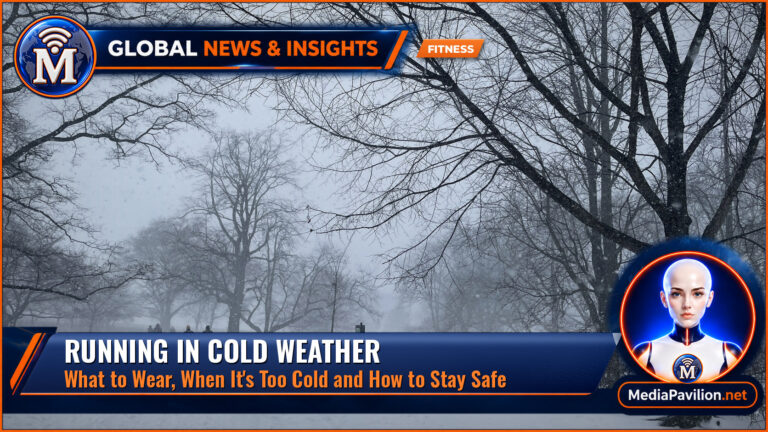
Not directly. In fact, getting outside into fresh air is a good way to avoid the crowded indoor spaces where viruses spread. The issue is staying cold for a long time, especially for your nose and airways. Covering your nose and mouth with a scarf in very cold weather is a reasonable precaution and also makes breathing more comfortable. If you exercise outside in winter, see our guide to running in cold weather.
Common Winter Health Myths Checked
| Myth | Verdict | What the evidence says |
|---|---|---|
| “Cold weather causes colds” | False, but… | Viruses cause colds. Cold conditions can help them spread and take hold. |
| “You lose most of your heat through your head” | Exaggerated | Your head loses heat in proportion to its surface area; it just tends to be uncovered. |
| “Feed a cold, starve a fever” | False | Eat if you are hungry and keep drinking fluids with either. |
| “Antibiotics help colds and flu” | False | Antibiotics do not work on viruses. Flu antivirals exist but must be prescribed. |
| “You can’t get sick if you’ve had the flu vaccine” | Not quite | The vaccine lowers your risk of flu and serious illness, but does not prevent colds or every flu strain. |
| “Vitamin C prevents colds” | Mostly false | Regular vitamin C does not prevent most people catching colds, though it may slightly shorten them. |
How Can You Avoid Getting Sick in Winter?
- Get vaccinated. The US Centers for Disease Control and Prevention recommends a yearly flu vaccine for most people aged six months and over, and updated COVID-19 vaccines are available. Check current guidance with your doctor or pharmacist.
- Wash your hands with soap and water for at least 20 seconds, especially before eating and after being in public places.
- Keep indoor air fresh. Open a window briefly or use ventilation where you can, and consider a humidifier if your home air is very dry.
- Stay home when you are ill, so you do not pass it on.
- Keep your nose and face warm in very cold weather.
- Sleep well and stay active. Our guide to how much sleep you need covers the official recommendations by age.
Is It a Cold or the Flu?
Colds usually come on gradually with a sore throat, runny nose and sneezing, while flu tends to hit suddenly with fever, aches and exhaustion. Our full guide to cold vs flu explains how to tell the difference and when to see a doctor.
Frequently Asked Questions
Can you get sick from being cold?
You cannot catch an infection from cold alone, but being chilled may make your nose’s defences less effective if you are already exposed to a virus.
Why do I always get sick when the weather changes?
Seasonal changes often coincide with the start of school terms, more time indoors and drier air, all of which help viruses spread. Allergies can also cause cold-like symptoms when seasons change.
Can sleeping with a fan or air conditioning make you sick?
Not by itself. It can dry out your nose and throat, leaving you feeling stuffy or sore in the morning, which some people mistake for a cold.
Is it better to sleep in a cold or warm room when you are sick?
A comfortable, slightly cool room is usually best for sleep. Use enough bedding to stay warm and keep drinking fluids.
Does cold weather lower your immune system?
Research suggests that cold temperatures can weaken some local immune defences in the nose. That is different from your whole immune system being suppressed.
The Bottom Line
Cold weather is not the villain, but it gives viruses an assist. Dress warmly, keep your nose covered on bitter days, and focus on what really protects you: vaccines, clean hands, fresh air and staying home when you are ill. If the darker months affect your mood as well as your health, read our guide to seasonal affective disorder.
Related Reading
- Cold vs Flu: How to Tell the Difference, Treatment and When to See a Doctor
- How Much Vitamin D Do You Need per Day?
- Seasonal Affective Disorder: Symptoms, Causes and Light Therapy Explained
- Running in Cold Weather: What to Wear, How Cold Is Too Cold and Safety Tips
Featured image: Winter walk in New York (Unsplash), by Ross Sokolovski / Wikimedia Commons, CC0. Cropped, colour-graded and combined with MediaPavilion branding.
Sources
- Yale News — Cold virus replicates better at cooler temperatures (5 January 2015).
- EurekAlert! (Mass Eye and Ear) — Scientists uncover biological explanation behind why upper respiratory infections are more common in colder temperatures (December 2022).
- PLOS Pathogens — Influenza Virus Transmission Is Dependent on Relative Humidity and Temperature (Lowen et al.) (19 October 2007).
- US Centers for Disease Control and Prevention — Flu vaccine recommendations.