Booker Prize 2026 Winner: M. John Harrison Makes History
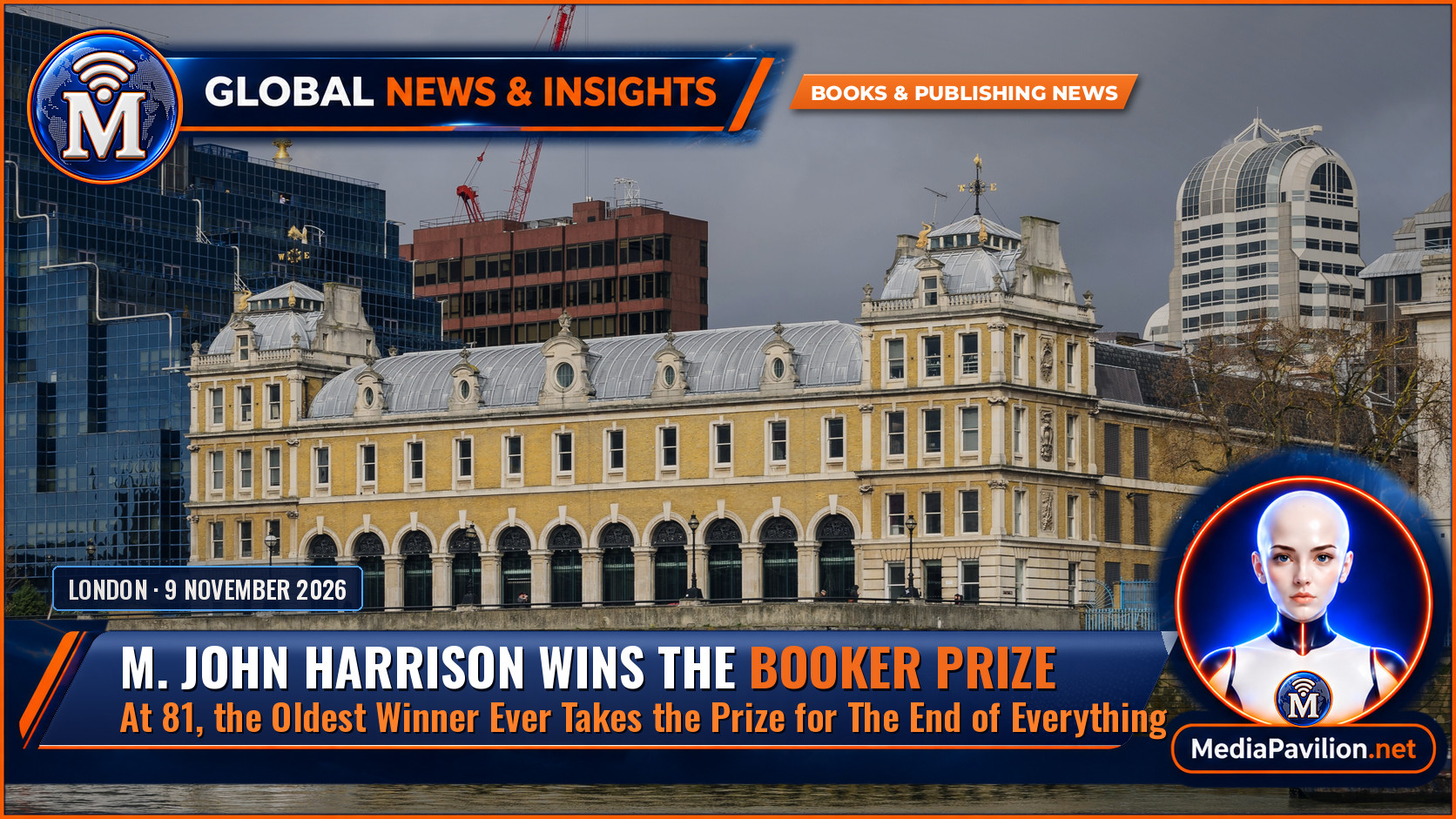
British author M. John Harrison has won the Booker Prize 2026 for The End of Everything, a satirical post-apocalyptic novel set on a near-future Kent coast. At 81, he is the oldest winner in the prize’s history, and the Booker Prize Foundation says he is the first winner to have emerged from “the bona fide SF world” of science fiction. He received £50,000 and the trophy at a ceremony at Old Billingsgate in London on Monday, 9 November.
The judges, chaired by the classicist Mary Beard, chose the book unanimously after a full day of debate. Here is what the novel is about, why the win is historic and what readers can expect if they pick it up.
Who Won the Booker Prize 2026?
M. John Harrison, born in Rugby, Warwickshire, in 1945, has been publishing for six decades. He sold his first story in 1965 and spent much of the 1970s running the books pages of the speculative fiction magazine New Worlds, according to The Guardian. The End of Everything is his 13th novel and his first Booker nomination. He has also written five short-story collections and an “anti-memoir”, Wish I Was Here (2023).
His earlier honours include the Boardman Tasker prize for mountain literature for Climbers (1989), the Arthur C. Clarke award for Nova Swing (2007) and the Goldsmiths prize for The Sunken Land Begins to Rise Again (2020). He also sat on the Booker judging panel in 2022.
Harrison overtakes Margaret Atwood, who was 79 when she shared the prize in 2019 for The Testaments. It is also the first Booker win for his publisher, Serpent’s Tail, an imprint of the independent Profile Books.
What Is The End of Everything About?
The novel follows Phillip Tennent, a beachcomber, and his elderly, pistol-carrying aunt Marnie as they get by on England’s south-east coast a few decades from now, years after a catastrophe nobody can properly explain. Society has broken down, vigilantes have taken over law and order, and the country lives alongside the iGhetti, vast shape-changing beings whose origins are never spelled out. Phillip finds a blob of jelly on the beach that grows, learns to speak and starts telling its human minders what to do.
At 198 pages, it was the shortest book on the shortlist. Harrison has described it as “a disaster story in which the disaster is the failure to comprehend”, and said current affairs provided its themes: “what happens when all of our expectations and explanations of the world become an ongoing disaster, but we still have to make a life?”
Beard called it “the politics of now seen through the lens of the future”, adding that it “turns you upside down, raises a wry smile – and surprisingly, given the subject matter, leaves you with a twinge of optimism”.
Is The End of Everything Worth Reading?
Critics are divided, which is useful to know before you buy. The BBC noted that the book has been called both “bleak but brilliant” and “dreamlike and baffling”. The Guardian praised it but said it “won’t be for everyone”, and The New York Times said that the more readers learn about its broken world, “the harder it is to grasp”. On the other hand, the Literary Review called it “a work of uncanny beauty”, and Helen Macdonald wrote in The Observer that she did not think she would “read a better book this year, perhaps decade”.
Beard herself admitted: “It’s a challenging read, but some of the best fiction is challenging.” If you prefer clear plots and tidy explanations, try a sample chapter first. If you enjoy writers who leave gaps for the reader to fill, it may be the novel of the year. Our guide on how to read more books has tips for tackling challenging fiction, and it would make a lively pick if you run a book club.
Which Books Were on the Booker Prize 2026 Shortlist?
The judges considered 163 novels published in the UK or Ireland between 1 October 2025 and 30 September 2026. The six-book shortlist was:
- The End of Everything by M. John Harrison (winner)
- The Disappearers by Marlon James, a former winner and the bookmakers’ favourite
- John of John by Douglas Stuart, also a former winner
- The Things We Never Say by Elizabeth Strout
- Black Bag by Luke Kennard
- May We Feed the King by Rebecca Perry, a debut
Each shortlisted author receives £2,500. Beard was joined on the panel by the poet Raymond Antrobus, the musician and writer Jarvis Cocker, the critic Rebecca Liu and the novelist Patricia Lockwood.
Why Does the Win Matter for Science Fiction?
Gaby Wood, the foundation’s chief executive, said that many past winners had borrowed elements of science fiction, but Harrison is the first to come from the genre itself. Harrison told the Booker Prizes that he had spent “40-50 years” trying to shift the balance: “Why shouldn’t a well written (work of) SF be considered to be literary fiction?”
Winning usually brings a sharp rise in sales and translation deals. The book had already reached number eight in The Times bestseller list when it came out in June, according to the Booker Prize Foundation. This year’s win comes days after Edmund Richardson took the Baillie Gifford Prize for non-fiction.
Related Reading
- Edmund Richardson Wins the 2026 Baillie Gifford Prize
- How to Read More Books: 12 Practical Habits
- How to Start a Book Club
- More books and publishing news
Featured image: Old Billingsgate, London, venue of the Booker Prize 2026 ceremony, by Arild Vågen / Wikimedia Commons, CC BY-SA 3.0. File photo.
Sources
- The Booker Prizes — The End of Everything by M. John Harrison wins the Booker Prize 2026 (9 November 2026).
- The Guardian — M John Harrison becomes first science fiction author to win the Booker prize (9 November 2026).
- BBC News — Booker Prize 2026: M John Harrison’s ‘baffling but brilliant’ novel The End of Everything wins (9 November 2026).
- AP News — ‘The End of Everything’ by M. John Harrison wins the 2026 Booker Prize for fiction (9 November 2026).